green

posted by lotusgreen at 12:20 PM
0 comments


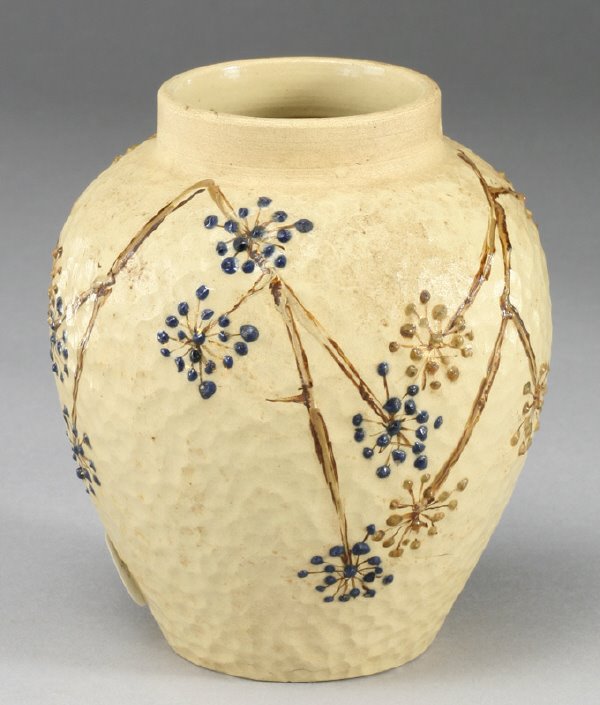
 as a quiet, ubiquitous symbol, the bamboo has featured in japonisme wherever it occurred. whether it's pictured, or used, or imitated (silver bamboo handles, for example), it has become an instant communication of the east.
 it's interesting, however, to look into its usage in japan itself. where it's found, or wherever i was able to find it anyway, wasn't necessarily where i had expected.
 yes, it can be found on kimono textiles, and on crafts, like the inro.
 in japanese prints, however, there seem to be unexplained limits to it's usage: we will see it, again, as a pattern on kimono.

 we will also see it as part of a kabuki backdrop, and it's always used to geographically
 the yoshida's, father and son, loved them, as did many other artists on into the twentieth century. i can not only find no reason for this, but not even any mention of it.
 now this is not to suggest that the bamboo is not beloved in japan. in fact, The sound of the wind in this bamboo forest has been voted as one of 'one hundred must-be-preserved sounds of Japan' by the Japanese government. 1
 as 'meaningless,' and quite lovely decoration, though, it could be found in droves throughout europe and the americas.

 and, at last, does it matter at all? fashion is as fluid as the wind; listen, you can hear it now. it's a sound which must be protected.
 instead, gratitude is a fine option. thank you to tiffany. thank you to rookwood. gratitude to habert-dys. thank you to heintz.
 translation is an odd art. what appears to be literal can really only be approx- imate, romanticized, inspirational.
 which is quite acceptable.
Labels: habert-dys, hiroshi yoshida, hiroshige ando, hokusai, kohn, Kunisada Utagawa, kunitero, louis comfort tiffany, Ôoka Shunboku, otto heintz, rookwood, utagawa yoshikazu, xaudaro, zeshin sabata
posted by lotusgreen at 12:17 PM
2 comments
 ABOUT LANGUAGE
 Damn the rain any- way, she says,
 And so again i am warned about language,
 And because this is western Oregon, and the rain
 And what stops my rail against the Swedes,
 What tool is this, Daddy? she's asking,
 but suddenly the rain's slap and spatter
 vee after vee of calling Canadas,
 .雨だれは月よなりけりかへる雁
 .行雁や人の心もうはの空
 .行な雁どっこも茨のうき世ぞや
Labels: a e marty, frank w benson, geese, Halbrans, hiroshige ando, Hokkei Totoya, hokusai, ohara koson, poetry, robert wrigley, rookwood
posted by lotusgreen at 4:09 PM
4 comments
 FAVRILE
 as their products'
 that sun-shot fog
 fake Japanese,
 surfaces burnished
 at the puppet opera
 since their pretense
 for the luster
 blown-glass sateen,
 of the puppet queen,
Labels: carl schmidt, craft, daum, denbac, dragonflies, galliard, Gekko Ogata, kano enshin, louis comfort tiffany, mark doty, pattern, poetry, rookwood, utagawa hiroshige I
posted by lotusgreen at 5:53 PM
2 comments
 BLUE SQUILLS
 And many a dancing April
 Oh burn me with your beauty, then,
 O shaken
Labels: k. shirayamadani, poetry, rookwood, sara teasdale, toshi yoshida
posted by lotusgreen at 6:07 PM
0 comments