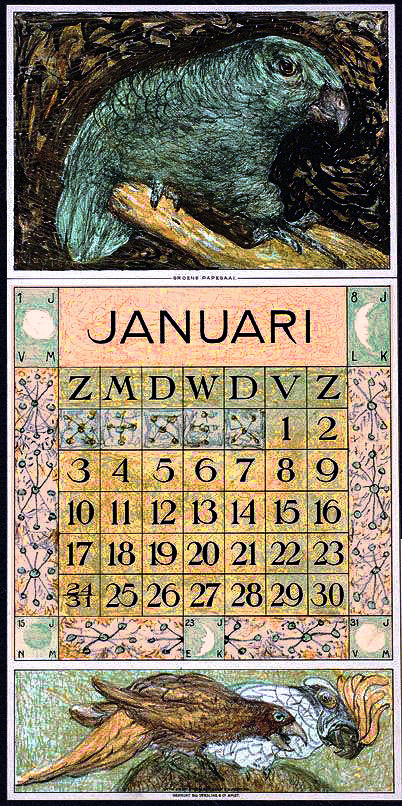
a man for all seasons: 1909
THE MUSIC IN MY FATHER'S HOUSE
John 14:2
Only a music of its own could come
from this dwelling place, formed
as the composition must be by the hallways
of larch and the black columns of lodgepole
pine lending as multiple corridors in all
directions through overlapping shadows
and into the chambers of others.
 Entering this open sunroom with walls
of glass, three deer splash through the marshy
grasses, pause as one to look back
at the composers. those scribes who listen
to the measures of their passing.

Themes of osprey, loon, raven in flight,
a skein of ducks reflect off the mirrored
ceilings that ring with depth like bottomless
lakes, like the tolling bells steel-blue skies.
 The stitching of the tapestries hanging
the wall: of the highest room is so exact
that the distant valleys in the scene depicted
become sensuous valleys. The threaded notes
of the rivers are heard as rivers, and the finely
sewn mountains are mountains that disappear
into the distance as departure and return,
a repeating transition in the score.
 In the expanse of forests and fields
comprising this structure, what is not seen
is known by the steady beat and undertow
of its presence -- black bear, lion, root, glacier path
and its incantation, the dormant, the conceivable.
 Those who are sequestered here
in this house write the music of themselves
conforming to the stone, the seed, the spacious
generation of these living mansions.
Pattiann Rogers
 1909 is unique among the years in hoytema's calendars. it's all ducks. we've seen his ducks before. heck -- i love ducks. but what were ducks to him, as a human?

can we read a real quiet between the lines?, or is that silence? thoughtfulness? reflection, yes. sometimes. and repetition, so the whole year becomes like a song, with phrases which repeat, themes that are revisited, so identity becomes confused in its interchangeability.
 or is there a sadness we see? we know that hoytema's last decade was not an easy one, illness and divorce, perhaps a touch of madness.
are ducks sad? pensive?
 a new friend wally, who has offered to do dutch translations at some point, fills in some details from yesterday's post (a much better translation of which is here):
 "The name of that first book Hoytema produced is How the Birds got a King. In brief the birds decided that the one who could fly the highest would be king. The golden eagle flew higher than all others but when he was at his maximum height and exhausted the wren who had been hiding on his back flew up beyond the eagles reach -- and hence was named the king. The dutch name for the wren is winterkoning, literally winter king. You can see the little bird on the back of the eagle on the cover of the book.
 Hoytema had an uncanny ability to show the character and attitudes of birds in his images. From the elegance of the vain white herons, the squinting thoughtful owls and the nonchalance of his shrugging crows. They speak through him to become timeless.
 There is one other artist who does a similar job and that is Jan Mankes. He is truly unknown outside the Netherlands. Poke around the website that shows almost all his works. Check out all the birds...."
Only a music of its own could come
from this dwelling place, formed
as the composition must be by the hallways
of larch and the black columns of lodgepole
pine lending as multiple corridors in all
directions through overlapping shadows
and into the chambers of others.
 Entering this open sunroom with walls
of glass, three deer splash through the marshy
grasses, pause as one to look back
at the composers. those scribes who listen
to the measures of their passing.

Themes of osprey, loon, raven in flight,
a skein of ducks reflect off the mirrored
ceilings that ring with depth like bottomless
lakes, like the tolling bells steel-blue skies.
 The stitching of the tapestries hanging
the wall: of the highest room is so exact
that the distant valleys in the scene depicted
become sensuous valleys. The threaded notes
of the rivers are heard as rivers, and the finely
sewn mountains are mountains that disappear
into the distance as departure and return,
a repeating transition in the score.
 In the expanse of forests and fields
comprising this structure, what is not seen
is known by the steady beat and undertow
of its presence -- black bear, lion, root, glacier path
and its incantation, the dormant, the conceivable.
 Those who are sequestered here
in this house write the music of themselves
conforming to the stone, the seed, the spacious
generation of these living mansions.
Pattiann Rogers
 1909 is unique among the years in hoytema's calendars. it's all ducks. we've seen his ducks before. heck -- i love ducks. but what were ducks to him, as a human?
can we read a real quiet between the lines?, or is that silence? thoughtfulness? reflection, yes. sometimes. and repetition, so the whole year becomes like a song, with phrases which repeat, themes that are revisited, so identity becomes confused in its interchangeability.
 or is there a sadness we see? we know that hoytema's last decade was not an easy one, illness and divorce, perhaps a touch of madness.
are ducks sad? pensive?
 a new friend wally, who has offered to do dutch translations at some point, fills in some details from yesterday's post (a much better translation of which is here):
 "The name of that first book Hoytema produced is How the Birds got a King. In brief the birds decided that the one who could fly the highest would be king. The golden eagle flew higher than all others but when he was at his maximum height and exhausted the wren who had been hiding on his back flew up beyond the eagles reach -- and hence was named the king. The dutch name for the wren is winterkoning, literally winter king. You can see the little bird on the back of the eagle on the cover of the book.
 Hoytema had an uncanny ability to show the character and attitudes of birds in his images. From the elegance of the vain white herons, the squinting thoughtful owls and the nonchalance of his shrugging crows. They speak through him to become timeless.
 There is one other artist who does a similar job and that is Jan Mankes. He is truly unknown outside the Netherlands. Poke around the website that shows almost all his works. Check out all the birds...."
Labels: birds, calendar, CXS, ducks, pattiann rogers, poetry, theo van hoytema, TVH
posted by lotusgreen at 4:25 PM
2 comments