japonisme

14 October 2006

ah sunflower, weary of time....

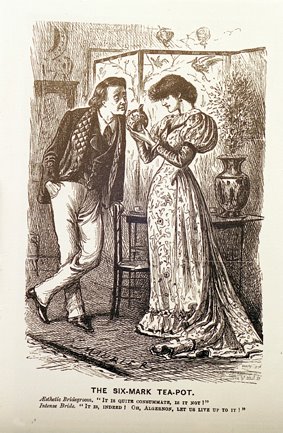
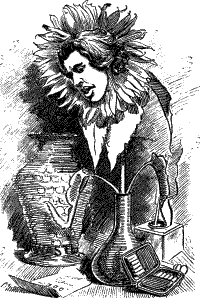
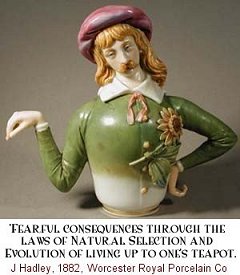
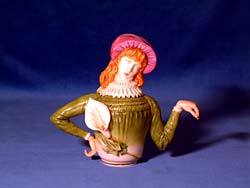
what the poppy became to the art nouveau movement, the sunflower and lily became to the aesthetic movement. and the artist most associated with the flowers was oscar wilde. below he is pictured in one of many cartoons of him from the magazine punch, and as both sides of a teapot as well. (perhaps this illuminates the previous cartoon a bit more fully.)
however, that is where any clarity ends. it gets so wonderfully complicated, lawsuits, people going mad, others being shipped off to america to promote work that is critical of themselves...!
numerous people: wilde, as well as ruskin, whistler (and more to come about them), and many more both considered themselves as 'aesthetes,' standing by the movement's creed of 'art for art's sake,' while at the same exact time savaging other artists for saying that they were doing exactly the same thing.
i'll get this sorted out at some point and do my best to lay it out here, but now i just read,
shake my head, and decide perhaps i need a nap.

a wonderful book for all of this is 'the aesthetic movement' by lionel lambourne, whose most recent book is on japonisme.

and a very interesting website on design which includes and encompasses this era is katsclass.


Labels: , ,

13 October 2006

"let us live up to our teapot"

another name for the japonisme movement, along with art nouveau, liberty style, the arts and crafts movement, jugentstil, etc., is the aesthetic movement. while each of these have some elements that can never be confused with one of the others, they all overlap quite a great deal as to who claims what art occurred during their popularity.
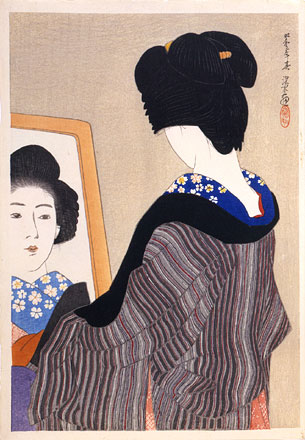
but no appellation received more parody, derision, scorn and satire than the aesthetic one. i've already mentioned gilbert and sullivan's "punch version of japonism" -- 'the mikado,' but their 'patience' is a musical poke in the eye of aestheticism.

(aesthetic bridegroom: "it is quite consum- mate, is it not?"
intense bride: "it is, indeed! oh, algernon, let us live up to it!")


while many of it's critics: oscar wilde, george bernard shaw, wb yeats, and others, stood staunchly in favor of the aesthetics' creed, "art for arts sake," they lambasted the masses for being too superficial about it!

to be continued....

Labels: ,

12 October 2006

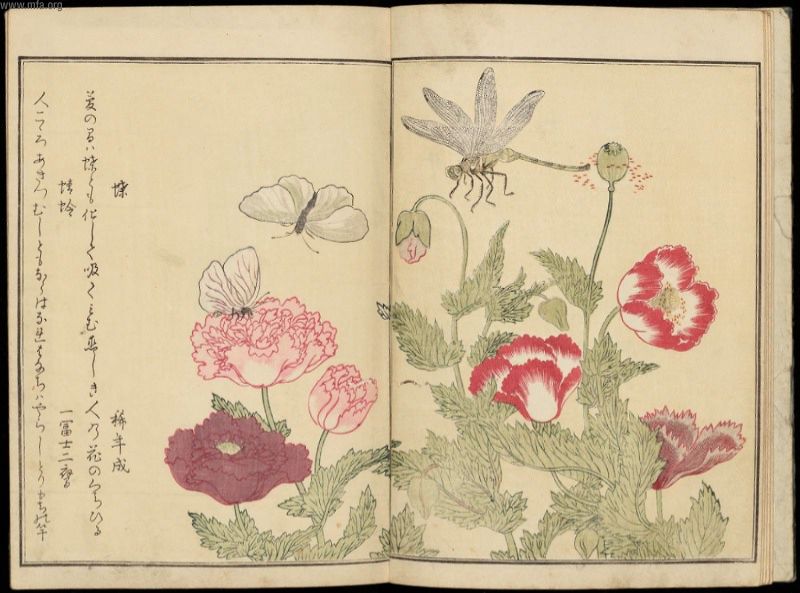
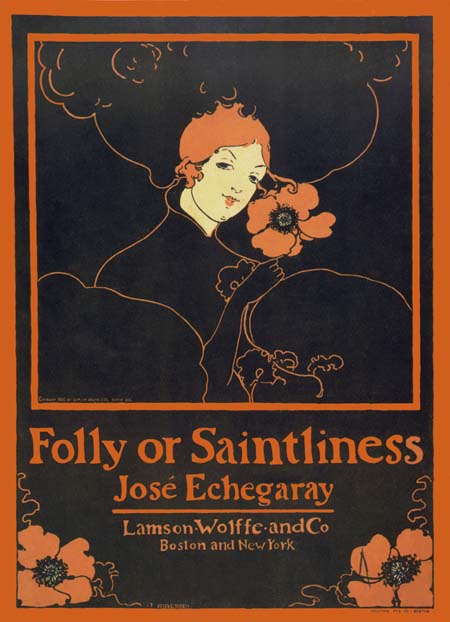
poppies


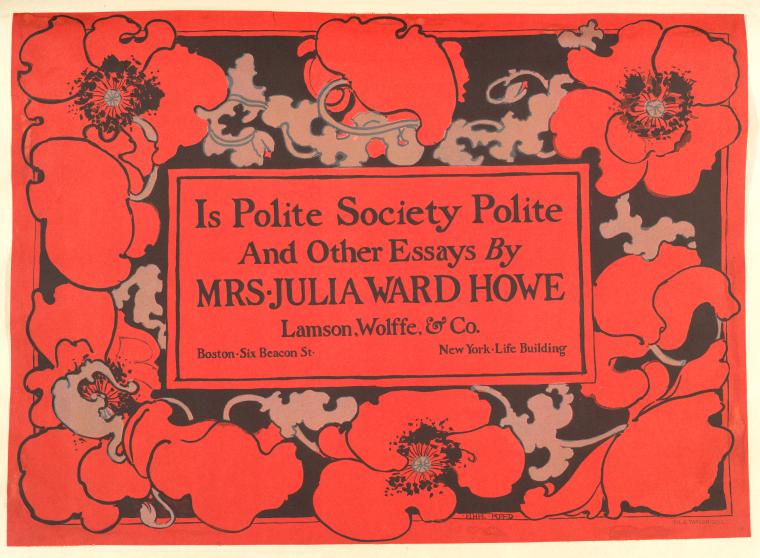
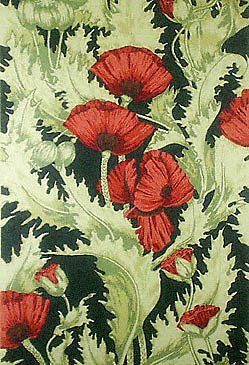
the humble poppy -- from formal, occasional

inclusions in paintings of full vases, to becoming fairly emblematic of the entire art nouveau movement.

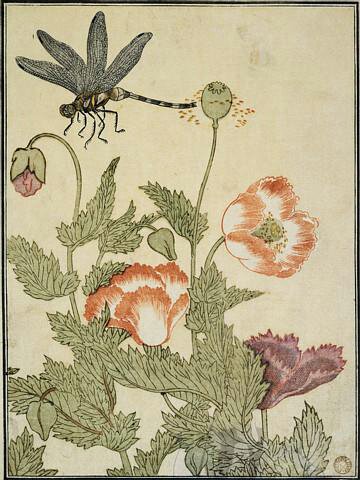
the exuberant prints by utamaro and others arriving from japan were so inspirational that this simple flower became the adornment of the age, on posters, in women's hair (see mucha), as wallpaper, bookjackets, and more.

the more i read about this era, the more i realize that because what the westerners were seeing of the japanese,


in the arts and crafts that were arriving from the east, they thought them simple -- not as in mentally incapable but as in "gentle folk," spiritually elevated, naturally "natural," graceful, and erotic.

lack of contact with the west for numerous generations gave this new influx of japanese goods and information no context, no genuine way to understand, but rather images only; a grand mystification of context was laid upon them. perhaps the joyful way this flower looked when portrayed from a stance of nature's presence rather than nature's dominance was seized upon and set up to be something that the japanese artists
had never imagined.


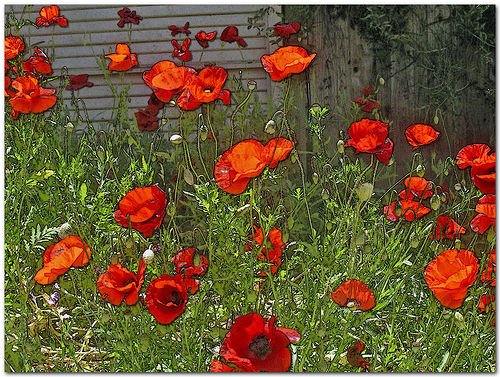
still, because i love the look of these prints i work with many of my photos to make them look something like woodblock prints. the patch of red poppies in the grasses i took in front of the house next door to the health food store in my neighborhood.


i call these photos "woodblock photos."

Labels: , ,

11 October 2006

the bluebird of happiness

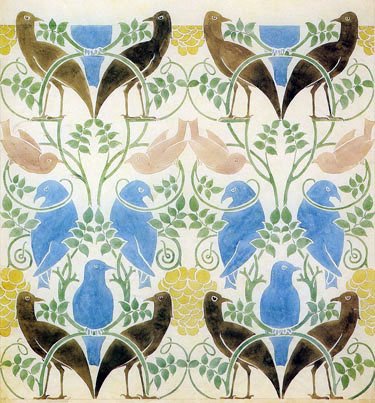
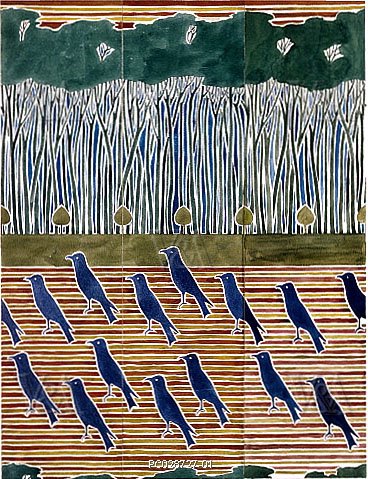
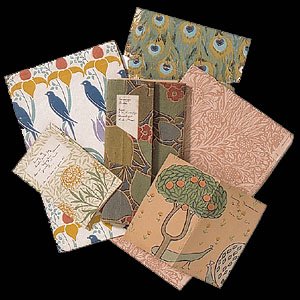
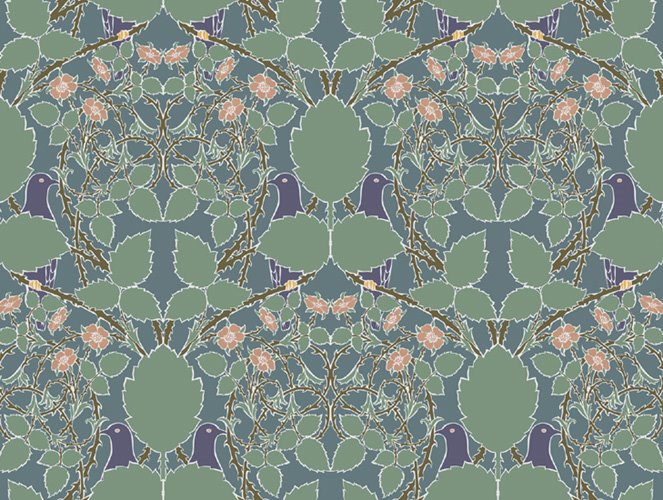
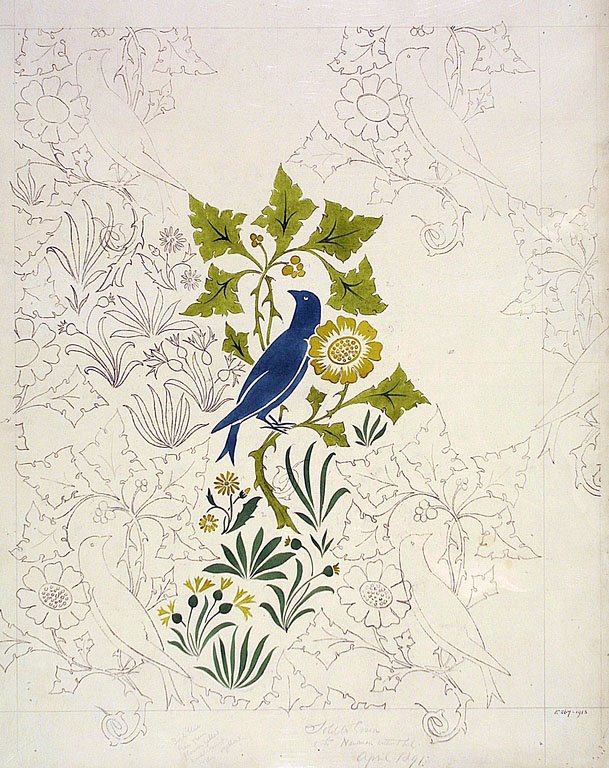
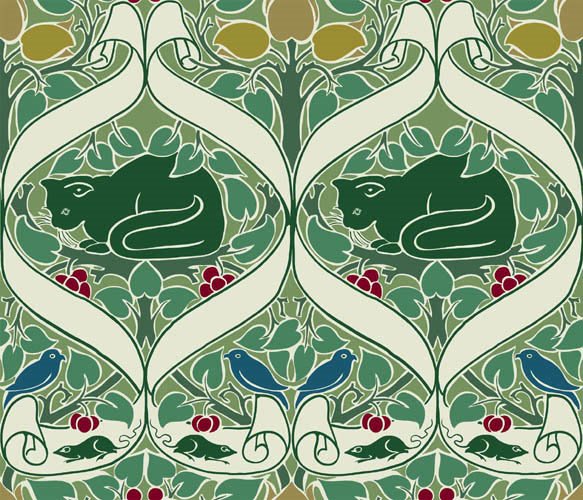
before he became one of great britian's best known architects, cfa voysey designed wallpaper and fabric patterns, many of which featured simply drawn plants and animals -- most frequently birds. most frequently blue ones.

so imagine my surprise when i learned that this one is not by voysey at all but by sugiura hisui, an artist from japan working right around the same time period.

i swear i have seen a voysey even closer to this than the ones i have pictured; i'll let you know if i find it!

but what sweet poetic justice: after being influenced and inspired by the japanese arts (one of his wallpaper designs was called 'tokio,' he was able to return the favor.

Labels: ,

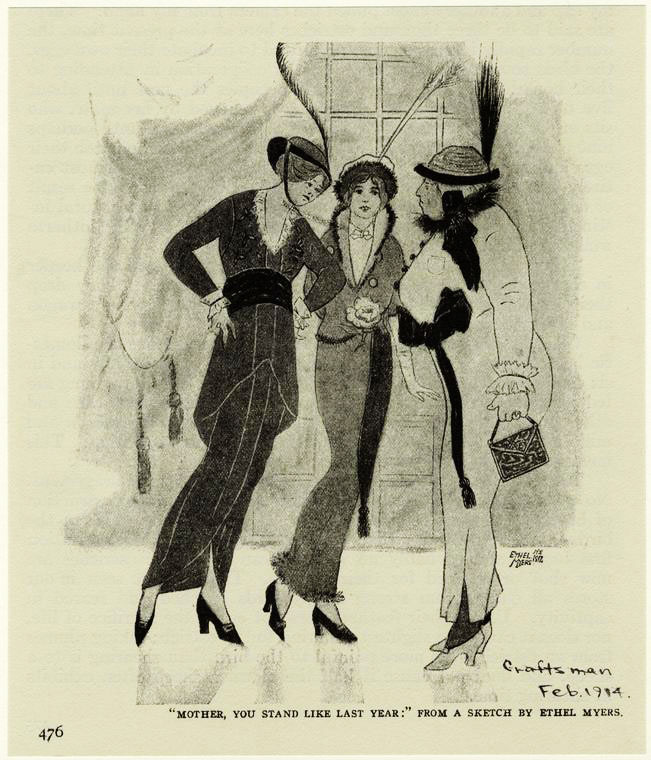
mother, you are so last year

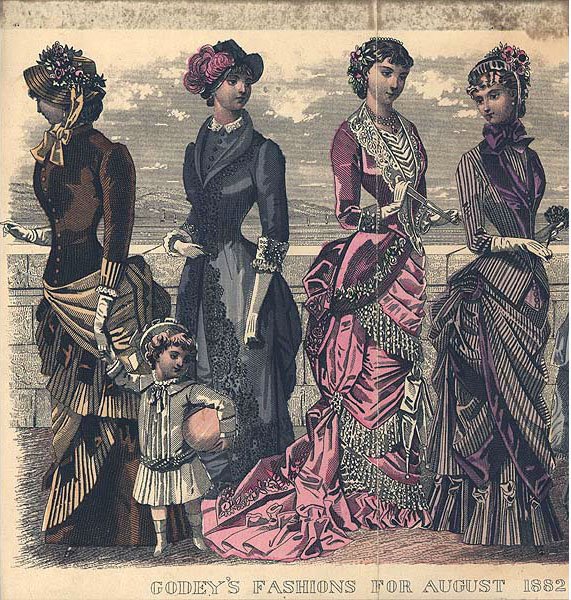
as with all dramatic social changes, there was no shortage of conflict.


a change in costume suggested a change in morals.


ironically, some credit for the relaxing of the stylish shape was credited to the kimono, whereas in truth the kimono was not relaxed, and not without its own rigid cultural restrictions.

Labels: , , ,

10 October 2006

après le deluge

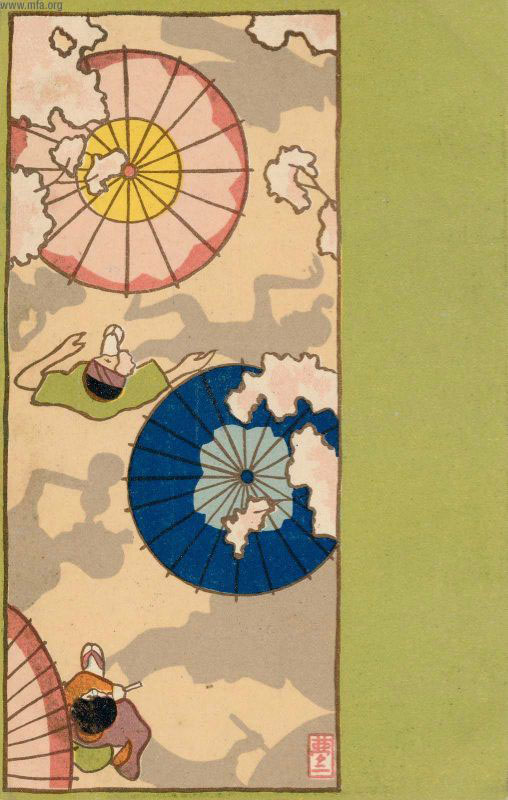
takehisa yumeji was a restless, flamboyant, and hopelessly romantic artist and poet. married three times, twice to the same woman, his search for a romantic ideal took him around the world, studying, observing, and probably falling in love all over again.

what his wanderings led to was this: he essentially revolutionized japanese art, bringing it into the 20th century.

shin hanga already existed: a transitional era with one foot still in the style of printing that hiroshige, hokusai, and utamaro did, and one foot in styles of the west. takehisa yumeji is credited for having initiated sosaku hanga, which combines traditional japanese iconology with some first steps towards integrating the modern art movements happening in the rest of the world.

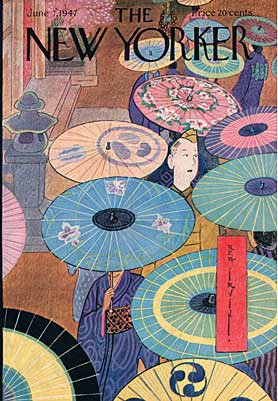
be sure to note the shadows below the umbrellas; i like the guy in the cap drinking from a bottle! i don't have a specific date on this but it is from the taisho era (1912-1926).

rea irvin created the cover for the new yorker. many of his designs feature asian elments. this one is from 1947.

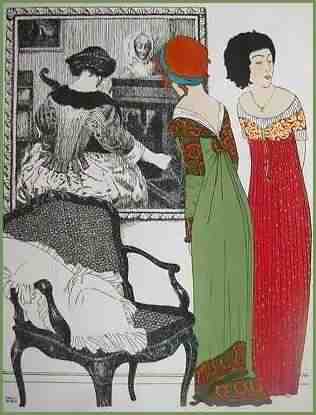
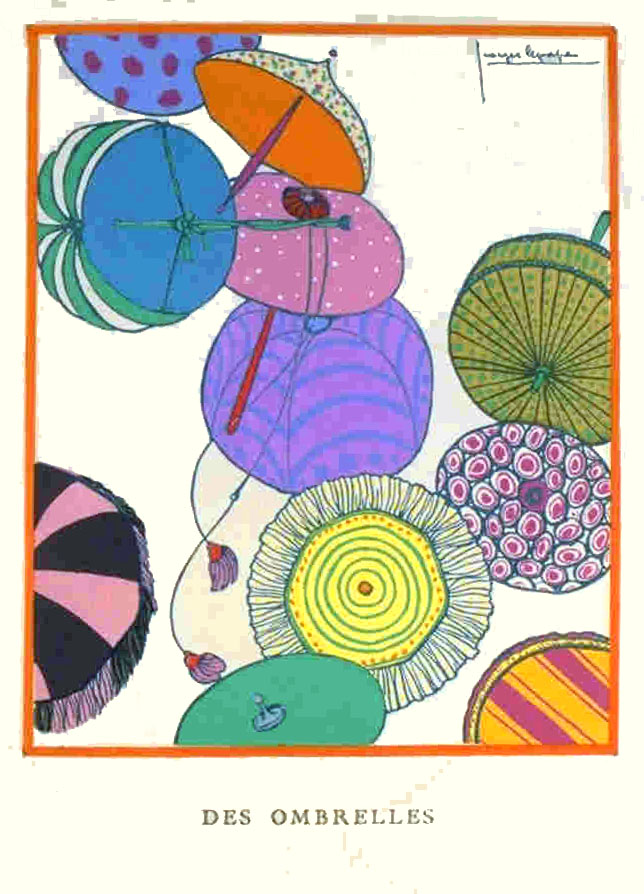
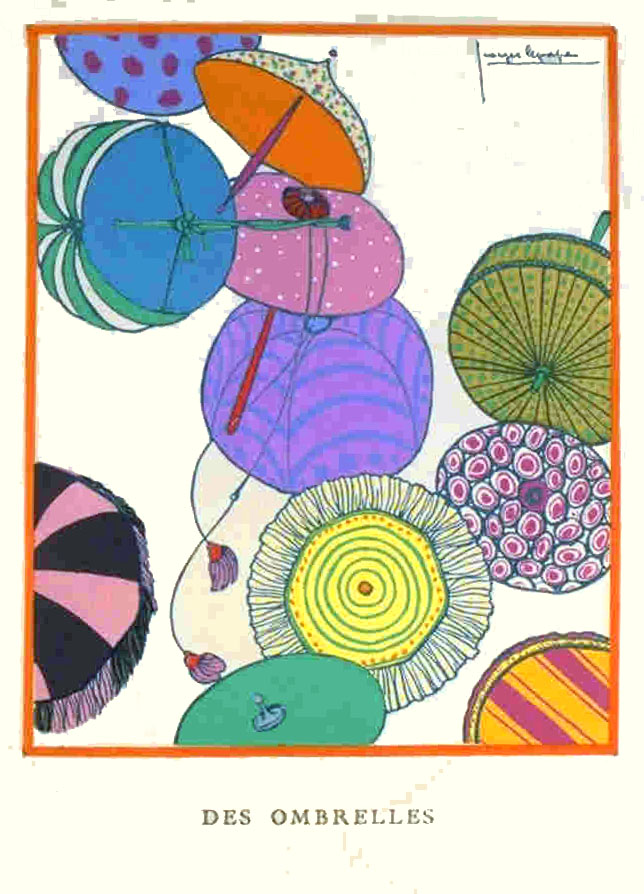
in 1912 george lepape did the illustration for a periodical called 'gazette du bon temps.' it is only one of many of his wonderful illustrations. like yumeji, he frequently chose beautiful women for his subjects. yumeji was called the utamaro of the taisho era.


do i think these were mimics? probably not, at least not specifically. but as another blogger just wrote me and said, 'japan is just a state of mind.' at that moment in history, it was. and that was it's best, and its worst, quality.

Labels: , ,

09 October 2006

the times, they were a-changin'


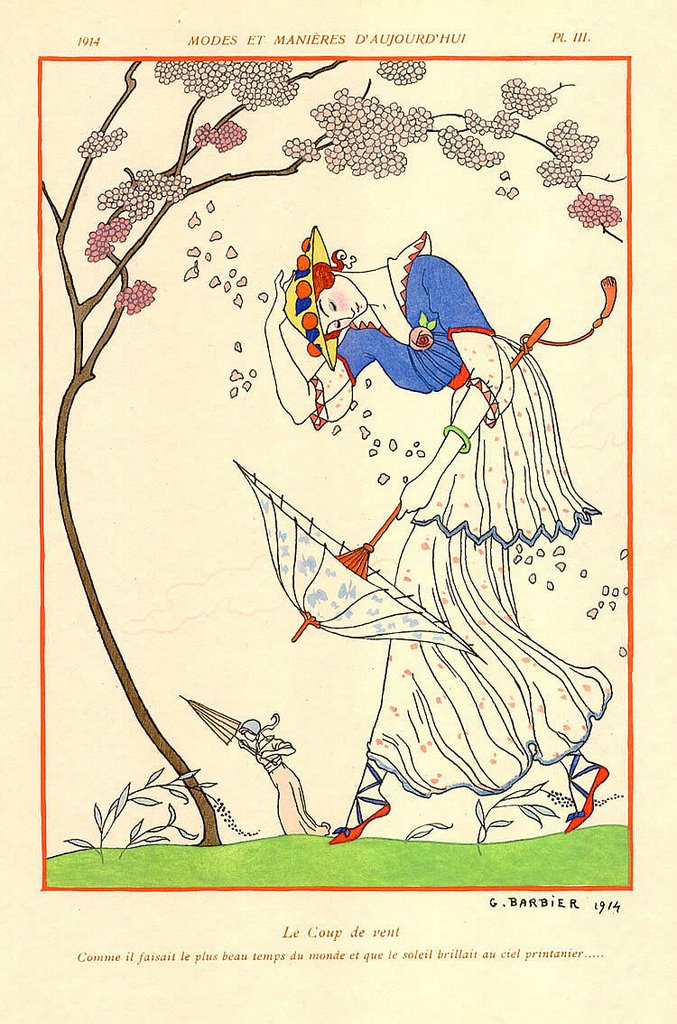
yes, i know what you're thinking.... couldn't all of these corres- pondences just be coinci- dences? i mean--hey! there's wind every- where, isn't there???

well sure there is, and you might be right, but the thing is, even if the image is not borrowing from the image, and i believe they very well might be, the transformation has already taken place, and to realize that, you have to remember what came before.

think what fashion illustration, woodcuts, portrayals of human bodies, the drape of fabric, the formality of setting and pose, was like before the west saw artwork from japan.
%

Labels: , , , ,

08 October 2006

vaszary jános
ca. 1900


kunisada utagawa
ca. 1830


a perfect match
for the crazy cat...
peony


猫の狂ひが相応のぼたん哉
のぼたん哉

neko no kurui
ga sôô no botan
kana


Kobayashi Issa
1824

Labels: , , , ,

the influence of sight

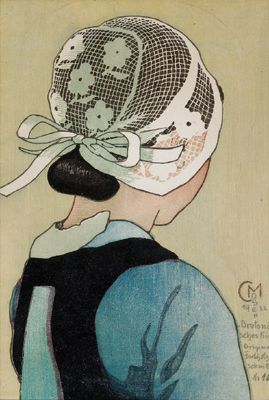
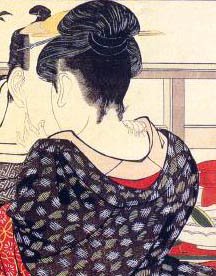
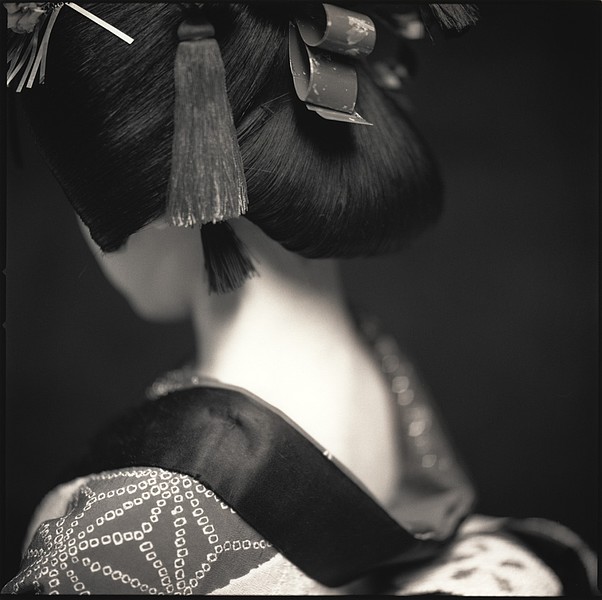
(carl moser
1902;

emil orlik
ca. 1900;
utamaro
ca. 1787;
ito shinsui
20th cent.;
hiroshi
watanabe
21st cent.)


Labels: , , , ,

07 October 2006

a tale of three harvests

utamaro 1788
bruce rogers 1898
camille martin 1894

Labels: , ,

solitaire


Yet, O my soul supreme!
Know’st thou the joys
of pensive thought?
Joys of the free and
lonesome heart—
the tender, gloomy heart?
Joy of the solitary walk—
the spirit bowed yet proud—
the suffering and the struggle?
The agonistic throes,
the extasies—
joys of the solemn musings, day or night?


walt whitman
leaves of grass
1900

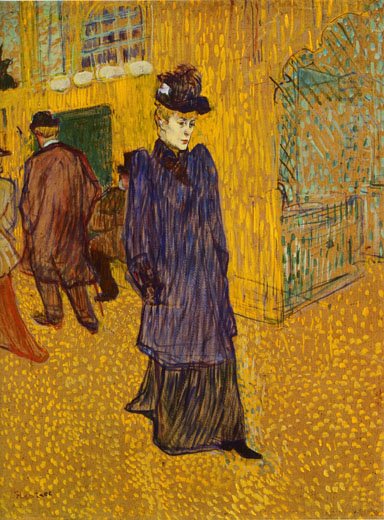
(genjiro ito,1901;
shotei hiroaki, 1930;
toulouse-lautrec, 1892;
henri boutet 1895)

Labels: , , , , ,

06 October 2006

the reality of peacocks

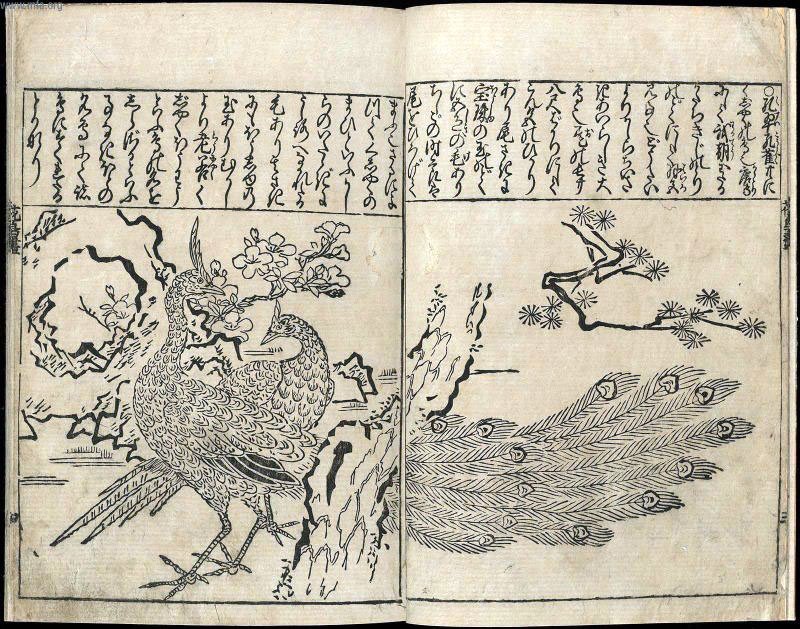
well, i'm sure that any student of history is used to conflicting stories, but this is my first real foray, so i'm surprised, interested, and maybe even amused. this print from a manga is by hishikawa moronobu. it was done in 1683. this suggests to me that in fact peacocks did indeed exist in japan. now there could be a million reasons why i'm wrong: he made these up and just coincidentally re-created a real bird; they were there but died out by the time iida made that kimono; and ad absurdum. more likely, i guess, the person who reported that fact (someone from the kyoto costume institute?) was misinformed. there must be a story but we just may never get it. (oh--i just noticed--this must be from the same series.)

Labels:

05 October 2006

more beauty from iida takashimaya

Woman's dressing gown in two parts
Japanese, for Western market, about 1900
Retailer: Iida Takashimaya

Kyoto, Japan
Gown (center back length): 141.0 cm (55 1/2 in.); sash (overall) 33.0 x 301.0 cm (13 x 118 1/2 in.)
Silk plain weave (taffeta) embroidered with polychrome silk; silk plain weave lining; cord and tassel trim


Classification: Costumes

Pink silk taffeta dressing gown in kimono style with embroidered naturalistic chrysanthemums and butterflies in polychrome silks. Silk plain weave lining, padded hem and pleat in back of robe. Full sleeves gathered at shoulders and trimmed with braided silk cord and tassles. Matching sash of pink silk taffeta with double-sided embroidery of chrysanthemums in green brown and pink polychrome silk with knotted silk fringe. Gown labeled: S. Iida "Takashimaya" Silks and Embroideries. Kyoto.

Museum of Fine Arts, Boston


Labels: , ,

going against the flow

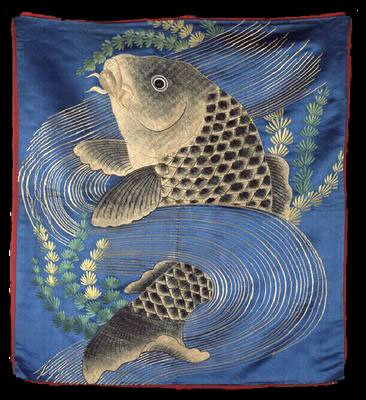
(hokusai; unknown japanese ceremonial fabric cover, 19th century; habert-dys, french ca. 1900)

I have just gotten a book from the library, "japan in the victorian mind: a study of stereotyped images of a nation 1850-1880" by toshio yokoyama, a professor of the history of modern japanese culture from kyoto university.

a counterpoint to my, our, the culture's enthrallment with what we take as japan- ese, i take this perspective as very important. so many things were happening in that brief period of time: over time i hope to detangle them.
for the moment i will just quote one chapter heading:
"in quest of the inner life of the japanese."

Labels: ,

newer posts older posts